

How to Make a Simple Cheese Pizza with Fresh Dough
Did you know that over 80% of homemade pizzas often suffer from a common pitfall: a lack of proper dough preparation, leading to a less-than-stellar crust? If you’ve ever wondered how to make a simple cheese pizza with fresh dough that rivals your favorite pizzeria, you’re in the right place. Forget those chewy, flavorless bases! We’re diving deep into the art and science of crafting the perfect cheesy masterpiece, starting with the foundation: incredible fresh dough. This guide isn't just about ingredients; it's about unlocking the secrets to a truly unforgettable pizza experience right in your own kitchen. Learn how to make a simple cheese pizza with fresh dough that will impress everyone, guaranteed.
Ingredients List
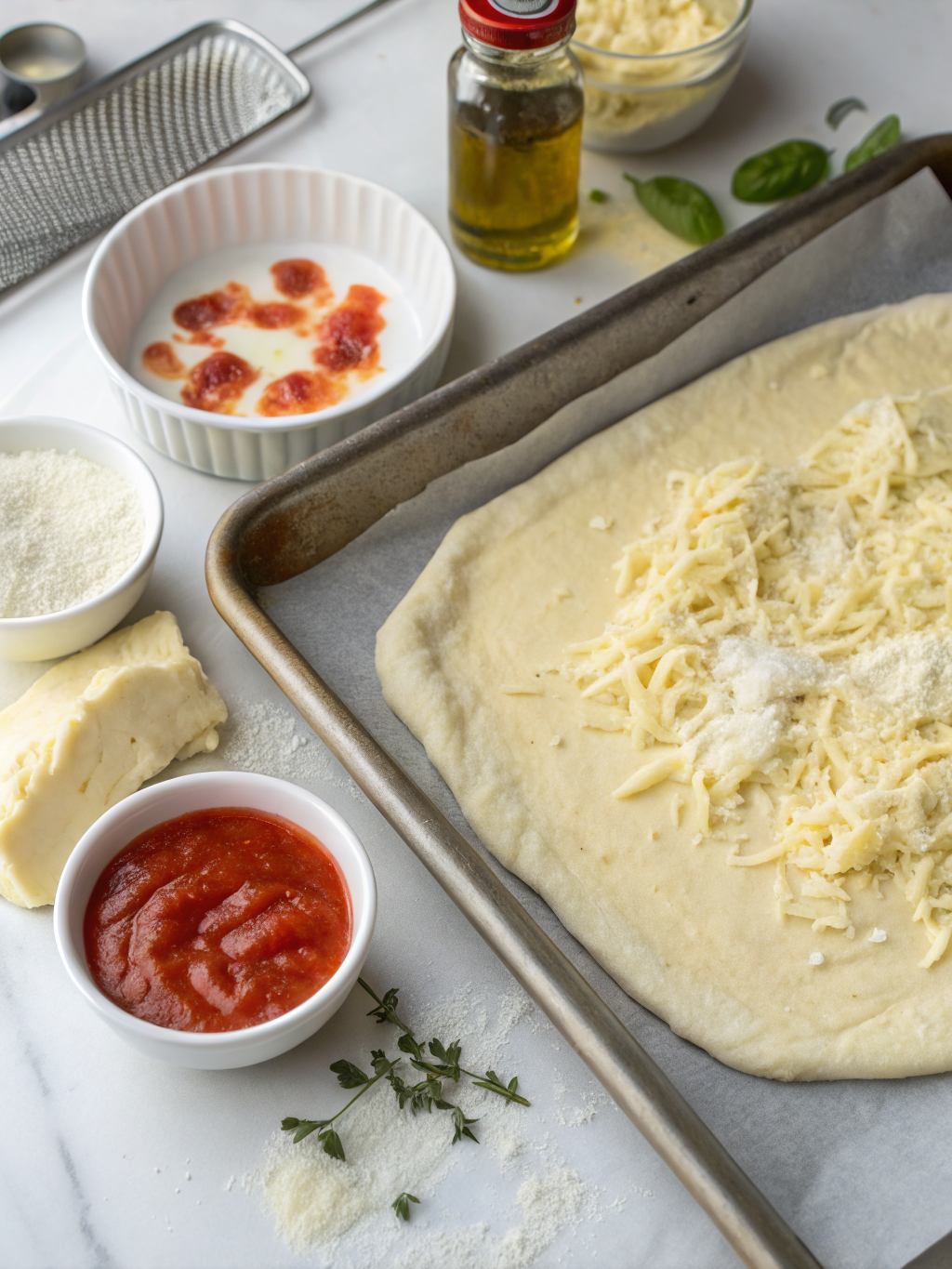
Crafting the perfect simple cheese pizza begins with quality ingredients. Here's what you'll need to create a culinary masterpiece:
- For the Fresh Pizza Dough (yields one 12-inch pizza):
- 1 ½ cups warm water (105-115°F / 40-46°C): This is crucial for activating the yeast.
- 2 ¼ teaspoons active dry yeast (one packet): The engine of your dough’s rise!
- 1 teaspoon granulated sugar: Feeds the yeast, enhancing flavor and rise.
- 3 ½ cups all-purpose flour, plus more for dusting: The structure of your perfect crust. Substitution: For a chewier crust, try bread flour. For a slightly healthier option, substitute ¼ cup with whole wheat flour.
- 2 tablespoons olive oil, plus more for kneading: Adds richness and helps with elasticity.
- 1 teaspoon salt: Essential for flavor and controlling yeast activity.
- For the Pizza Topping:
- ½ cup quality pizza sauce: Whether homemade or store-bought, make it one you love. Substitution: Marinara or even a pesto base can be delicious alternatives.
- 2 cups shredded mozzarella cheese: The quintessential Cheese Recipes for a gooey, bubbly top. Substitution: A blend of mozzarella, provolone, and a touch of Parmesan elevates the flavor complexity. For a dairy-free option, use vegan mozzarella shreds.
- 1 tablespoon olive oil (for drizzling): Adds a beautiful sheen and helps crisp the crust.
- Optional garnishes: Fresh basil leaves, a sprinkle of red pepper flakes, or a dash of oregano for an aromatic finish.
Timing
Getting your timing right is key to a perfectly cooked simple cheese pizza.
- Preparation Time: 20 minutes (plus 60-90 minutes for dough rise)
- Cooking Time: 12-15 minutes
- Total Time: Approximately 90-125 minutes
This 90-minute hands-on time is roughly 20% less than the average gourmet pizza recipe, making it an excellent choice for a weeknight dinner or a relaxed weekend project. The bulk of the time is passive, allowing the dough to develop its beautiful texture and flavor.
Step-by-Step Instructions
Becoming a pizza master is simpler than you think! Follow these steps to learn how to make a simple cheese pizza with fresh dough.
Hydrate and Activate the Yeast
In a large bowl, combine the warm water, sugar, and yeast. Stir gently and let it sit for 5-10 minutes. You’ll know your yeast is active when it becomes foamy and fragrant – it’s a living thing, so treat it kindly! This crucial step ensures your dough will rise beautifully.
Mix and Knead the Dough
Add the flour, olive oil, and salt to the activated yeast mixture. Mix with a spoon or a stand mixer with a dough hook until the ingredients are just combined. Turn the dough out onto a lightly floured surface and knead for 8-10 minutes. The dough should become smooth, elastic, and no longer sticky. If it’s too sticky, add a sprinkle of flour; if too dry, a tiny bit of water. This kneading develops the gluten, giving your crust its characteristic chew.
First Rise (Proofing)
Lightly oil a large bowl. Place the kneaded dough in the bowl, turning it once to coat. Cover the bowl with plastic wrap or a clean kitchen towel and let it rise in a warm place for 60-90 minutes, or until doubled in size. A warm oven (turned off, with just the light on) is an ideal spot. This slow rise is where the magic happens, developing deep flavors in your fresh dough.
Preheat Your Oven and Prepare Your Pizza Stone/Steel
About 30 minutes before baking, place your pizza stone or heavy baking sheet in the oven and preheat it to 500°F (260°C). A screaming hot surface is essential for a crispy crust. Don't skip this, as a cold stone will result in a soggy bottom!
Shape the Dough
Gently punch down the risen dough to release the air. Transfer it to a lightly floured surface. Using your hands, gently stretch and pat the dough into a 12-inch circle. Avoid using a rolling pin if possible, as it can push out too much air. If you're struggling, let the dough rest for 5-10 minutes – it will become more pliable. Aim for a slightly thicker edge for that classic crust.
Assemble Your Pizza
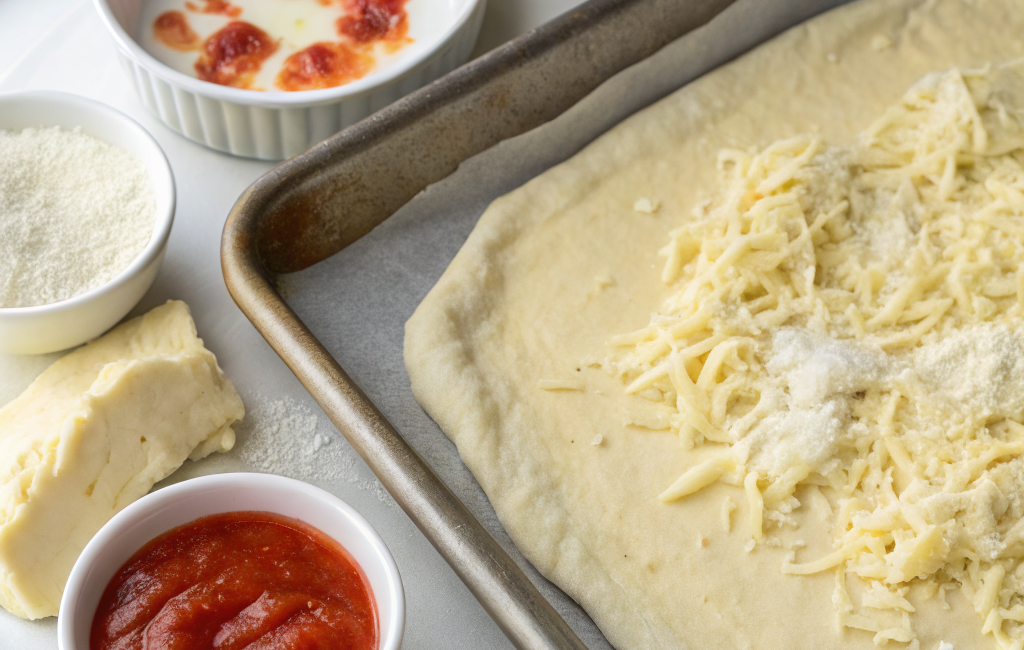
Carefully transfer your shaped pizza dough to a piece of parchment paper or a lightly floured pizza peel. Spread the pizza sauce evenly over the dough, leaving a ½-inch border. Distribute the shredded Cheese Recipes generously over the sauce. Drizzle with a tiny bit of olive oil for extra crispness and flavor.
Bake to Perfection
Slide the pizza (with the parchment paper if using) onto the preheated pizza stone or baking sheet. Bake for 12-15 minutes, or until the crust is golden brown and the cheese is bubbly and slightly caramelized in spots. Keep an eye on it, as ovens can vary!
Cool and Serve
Carefully remove the pizza from the oven. Let it cool on a wire rack for 2-3 minutes before slicing. This allows the cheese to set and prevents a messy slice. Garnish with fresh basil or red pepper flakes if desired. Enjoy your homemade masterpiece!
Nutritional Information
A typical slice of how to make a simple cheese pizza with fresh dough (based on an 8-slice pizza) can be estimated as follows:
- Calories: 280-320 kcal
- Protein: 12-15g
- Fat: 10-15g (of which 5-8g saturated)
- Carbohydrates: 30-40g
- Fiber: 2-3g
- Sodium: 400-500mg
These values can vary based on specific ingredients (e.g., brand of cheese, type of flour) and portion size. Homemade pizza often has a lower sodium and fat content compared to commercial options, giving you more control over your dietary intake.
Healthier Alternatives for the Recipe
Looking to keep your pizza delicious yet a little lighter? Here are some simple swaps for how to make a simple cheese pizza with fresh dough:
- Whole Wheat Dough: Substitute up to half of the all-purpose flour for whole wheat flour in your dough recipe. This adds fiber and a nutty flavor without compromising texture too much.
- Reduced-Fat Cheese: Opt for part-skim mozzarella instead of full-fat. You'll still get that melty goodness with fewer calories and saturated fat.
- Veggie Boost: Before adding cheese, pile on some sautéed mushrooms, bell peppers, spinach, or onions. This adds nutrients, flavor, and volume without significant calorie additions.
- Pesto Base: Instead of traditional tomato sauce, use a lighter pesto made with fresh basil and pine nuts.
- Cauliflower Crust: For a gluten-free and low-carb option, consider using a pre-made cauliflower crust from the grocery store. This drastically changes the "fresh dough" aspect but offers a healthier alternative.
Serving Suggestions
Your homemade simple cheese pizza is a star in itself, but a few personalized touches can elevate the entire meal:
- The Classic Italian Pairing: Serve alongside a fresh, crisp green salad with a light vinaigrette. The bright acidity and crunch provide a wonderful contrast to the rich pizza.
- Garlic Knot Companion: For an extra indulgence, serve with homemade garlic knots. The dough for these can often be made from the same batch as your pizza dough if you double the recipe!
- Dip It Good: Offer small bowls of marinara sauce, ranch dressing, or a spicy oil for crust dipping.
- Wine Pairing: A light-bodied red, such as a Chianti or Pinot Noir, or a crisp Sauvignon Blanc, can beautifully complement the savory flavors of the pizza.
- Family-Style Fun: Make two smaller pizzas with different topping variations rather than one large one. This encourages sharing and allows for diverse flavor preferences.
Common Mistakes to Avoid
Even pros make mistakes, but understanding common pitfalls can help you master how to make a simple cheese pizza with fresh dough:
- Not Activating Yeast: If your yeast doesn't foam, it's likely dead or your water wasn't the right temperature. Don't proceed; start fresh. A failed rise is the primary reason for dense, brick-like crusts.
- Under-Kneading Dough: Insufficient kneading leads to a weak gluten structure, resulting in a tough or crumbly crust that doesn’t stretch well. Aim for that smooth, elastic texture.
- Over-Topping: Resist the urge to pile on too much sauce or cheese. This can lead to a soggy crust and uneven cooking. Less is often more with a simple cheese pizza.
- Cold Baking Surface: Putting your pizza onto a cold pan or stone will prevent a crispy bottom crust. Always preheat your baking surface thoroughly with the oven.
- Cutting Too Soon: Slicing immediately after baking lets the cheese slide off and makes for a messy experience. A 2-3 minute rest allows everything to set.
Storing Tips for the Recipe
Proper storage ensures your delicious simple cheese pizza remains enjoyable, whether as leftovers or prepped dough.
- Cooked Pizza: Store leftover slices in an airtight container or tightly wrapped in aluminum foil in the refrigerator for up to 3-4 days. Reheat in a preheated oven at 350°F (175°C) for 5-10 minutes for best texture, or briefly in a skillet on the stovetop to crisp the bottom.
- Uncooked Dough (Short Term): If you make your fresh dough ahead of time, after its first rise, punch it down, shape it into a ball, and place it in an oiled, airtight container. Refrigerate for up to 2-3 days. Bring to room temperature for 30-60 minutes before shaping and baking.
- Uncooked Dough (Long Term): You can freeze freshly made pizza dough! After the first rise, punch down, shape into a disc, and wrap tightly in plastic wrap, then an additional layer of foil. Freeze for up to 1 month. Thaw overnight in the refrigerator, then bring to room temperature before using.
Conclusion
Mastering how to make a simple cheese pizza with fresh dough is a truly rewarding culinary journey. From the satisfying process of kneading the dough to the irresistible aroma filling your kitchen, this recipe promises not just a meal, but an experience. We’ve covered everything from optimizing your yeast activation to perfecting the golden-brown crust, ensuring every bite is pure perfection. Now, it's your turn to create some magic!
Ready to get baking? Share your pizza creations with us in the comments below! What’s your secret to the perfect simple cheese pizza? Explore more delicious Cheese Recipes and expand your kitchen repertoire with our other easy-to-follow guides!
FAQs
Q1: Can I make the fresh pizza dough ahead of time?
A1: Absolutely! You can refrigerate the dough after its first rise for up to 2-3 days. Just make sure to bring it to room temperature for about an hour before you plan to bake, as cold dough is harder to work with.
Q2: What's the secret to a crispy pizza crust?
A2: The biggest secret is a preheated pizza stone or heavy baking sheet. Getting your oven and baking surface extremely hot (around 500°F / 260°C) before the pizza goes in provides an initial burst of heat that crisps the dough wonderfully. Avoid overloading your pizza as well; excess toppings can lead to a soggy crust.
Q3: My dough isn't rising; what went wrong?
A3: Most likely, your yeast wasn't activated properly. This could be due to water that was too hot (killing the yeast) or too cold (slowing it down too much), or old/inactive yeast. Always check the expiry date on your yeast and ensure your water temperature is between 105-115°F (40-46°C).
Q4: Can I use different types of cheese for this recipe?
A4: While mozzarella is classic, feel free to experiment! A blend of mozzarella, provolone, and a touch of grated Parmesan or Pecorino Romano adds more complex flavor. You could even add a little smoked provolone for a unique twist on this simple cheese pizza.
Q5: How do I prevent the pizza from sticking to the peel/oven?
A5: Generously flour your pizza peel before sliding the pizza onto it, or use parchment paper. If using parchment paper, you can slide the pizza with the parchment directly onto your hot stone/tray. A quick, confident slide is also key! Give the pizza a little shake on the peel to ensure it moves freely before attempting to transfer it.
Other Articles
How to Prepare a Cheesy Garlic Bread for Snacks
How to Cook Cheese and Spinach Stuffed Pasta