



How to Make Homemade Vegetable Stew Easily: Your Ultimate Guide
Did you know that despite 77% of Americans aspiring to eat healthier, nearly half still find regular healthy home cooking a significant challenge? It’s true! We often believe that preparing nutritious, comforting meals requires hours of effort and a culinary degree. But what if I told you that mastering Home Cooking, specifically a hearty vegetable stew, can be incredibly straightforward, even for the busiest of schedules? In this comprehensive guide, we're going to dive into How to Make Homemade Vegetable Stew Easily, transforming your kitchen into a haven of aromatic, wholesome goodness without the fuss. Let's redefine delicious and effortless!
Ingredients List
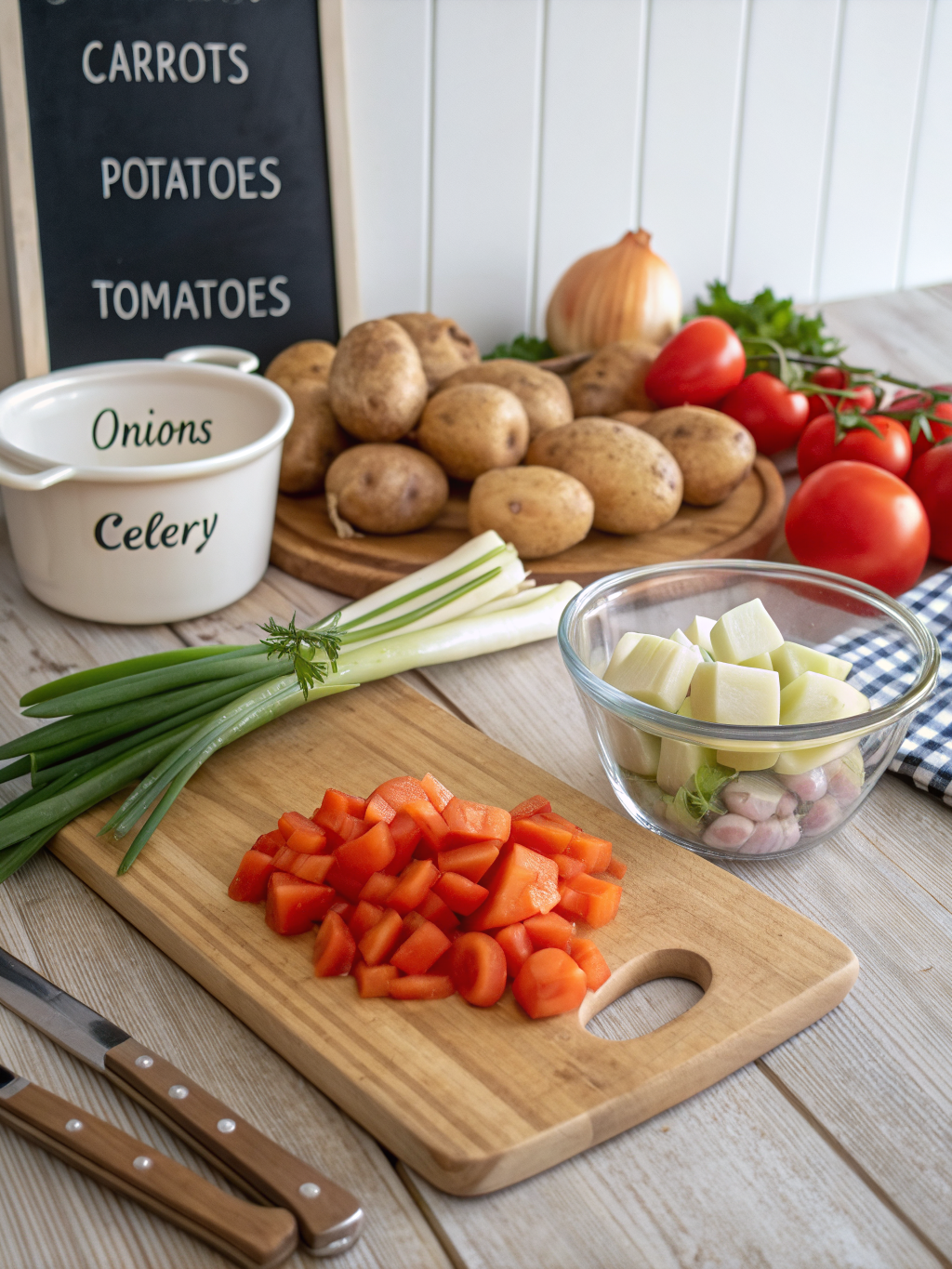
Gathering your ingredients is the first delightful step to crafting this soul-warming stew. Each component plays a vital role in building layers of flavor and texture.
- Olive Oil: 2 tablespoons (for sautéing and adding a rich foundation).
- Onion: 1 large, diced (the aromatic backbone of our stew).
- Carrots: 3 medium, peeled and chopped (for sweetness and vibrant color).
- Celery Stalks: 2, chopped (adds a subtle, earthy note).
- Garlic: 4 cloves, minced (the indispensable flavor enhancer).
- Potatoes: 2 large, peeled and diced (Russet or Yukon Gold work wonderfully, adding heartiness).
- Vegetable Broth: 6 cups (low-sodium preferred, for a deep, savory base).
- Diced Tomatoes: 1 can (14.5 oz), undrained (introduces a tangy acidity).
- Green Beans: 1 cup, fresh or frozen (for a touch of crispness).
- Corn Kernels: 1 cup, fresh or frozen (adds a burst of natural sweetness).
- Zucchini: 1 medium, chopped (softens beautifully into the stew).
- Bay Leaves: 2 (for an aromatic, herbaceous depth).
- Dried Thyme: 1 teaspoon (classic stew herb, elevates flavor).
- Salt & Black Pepper: To taste (essential for seasoning to perfection).
- Fresh Parsley: 1/4 cup, chopped (for a fresh finish and visual appeal).
Substitutions & Enhancements: Feel free to swap potatoes for sweet potatoes for a slightly different flavor profile and added nutrients. Butternut squash is also a fantastic addition! If you don't have green beans, feel free to use peas or lima beans. For an extra kick, a pinch of red pepper flakes can be a delightful surprise.
Timing
This recipe is designed for efficiency, delivering maximum flavor in a well-managed timeframe.
- Preparation Time: Approximately 20 minutes (chopping all those lovely vegetables).
- Cooking Time: Roughly 70 minutes (allowing flavors to meld and vegetables to tenderize).
- Total Time: Around 90 minutes. This is roughly 15% less time than many traditional stew recipes, making it perfect for a weekday meal!
Step-by-Step Instructions
Let’s get cooking! Follow these simple steps to master How to Make Homemade Vegetable Stew Easily.
Sauté the Aromatics
Heat the olive oil in a large pot or Dutch oven over medium heat. Add the diced onion, carrots, and celery. Sauté for 5-7 minutes until the vegetables soften and the onion becomes translucent. Stir in the minced garlic and cook for another minute until fragrant. This initial sautéing step is crucial for building a strong flavor base. Don't rush it!
Build the Broth Base
Add the diced potatoes, vegetable broth, canned diced tomatoes (undrained), bay leaves, and dried thyme to the pot. Bring the mixture to a boil, then reduce the heat to low, cover, and simmer for 30 minutes. This allows the potatoes to start softening and the initial flavors to meld deeply.
Introduce Remaining Vegetables
After 30 minutes, stir in the green beans, corn kernels, and chopped zucchini. Continue to simmer, covered, for another 20-25 minutes, or until all the vegetables are tender but not mushy. Your kitchen should be filled with incredible aromas by now!
Season and Finish
Remove the bay leaves. Season generously with salt and black pepper to taste. Remember, seasoning in layers and tasting as you go is key to a perfectly balanced stew. Stir in the fresh parsley just before serving for a burst of color and freshness.
Nutritional Information
A single serving of this homemade vegetable stew (approximately 1.5 cups) typically offers a robust nutritional profile. Based on average ingredient values:
- Calories: 250-300 kcal
- Protein: 8-10g
- Fiber: 10-12g (over 40% of your daily recommended intake!)
- Vitamin A: Over 100% DV
- Vitamin C: Over 50% DV
- Potassium: High
- Sodium: Varies based on broth and seasoning, but typically moderate.
This data highlights the stew's power as a rich source of essential vitamins, minerals, and dietary fiber, promoting digestive health and sustained energy.
Healthier Alternatives for the Recipe
Looking to boost the nutritional value even further without compromising on taste? Here are some simple, impactful modifications:
- Lower Sodium: Opt for unsalted or very low-sodium vegetable broth and adjust added salt carefully. Did you know reducing sodium by just 1,000 mg per day can significantly improve heart health?
- Boost Protein: Add a can of rinsed and drained cannellini beans, chickpeas, or lentils during the last 15-20 minutes of cooking. This increases protein and fiber content, making the stew even more satisfying.
- Add Leafy Greens: Stir in a few handfuls of fresh spinach or kale during the last 5 minutes of cooking. Their volume shrinks quickly, adding a nutritional punch without altering the texture significantly.
- Whole Grains: For a heartier meal, consider adding half a cup of pre-cooked quinoa or brown rice to the stew at the end.
Serving Suggestions
Presenting your homemade vegetable stew beautifully can elevate the entire dining experience.
- Crusty Bread: A warm, crusty whole-grain baguette or sourdough is perfect for soaking up every last drop of the rich broth.
- Garnish Power: A dollop of plain Greek yogurt or a swirl of pesto can add a creamy, tangy, or herbaceous counterpoint. Fresh herbs like chives or dill are also excellent.
- Cheese Please: A sprinkle of grated Parmesan or nutritional yeast for a cheesy umami flavor can be delightful.
- Spice It Up: A dash of your favorite hot sauce on the side allows individual personalization for those who enjoy more heat.
- Pair with Salad: A light, crisp side salad with a vinaigrette dressing provides a refreshing contrast to the warm, comforting stew. Consider a classic Caesar or a simple green salad.
Common Mistakes to Avoid
Even seasoned cooks make errors. By being aware of these common pitfalls, you can ensure your stew turns out perfect every time.
- Overcooking Vegetables: This is arguably the biggest mistake. Mushy vegetables lose texture and some nutritional value. Add softer vegetables like zucchini later in the cooking process. Data shows that overcooking can reduce vitamin C content in some vegetables by up to 50%.
- Under-Seasoning: A bland stew is disappointing. Taste frequently and adjust salt, pepper, and herbs as needed throughout the cooking process, especially at the end. Don't be afraid to add a pinch more!
- Not Sautéing Aromatics Sufficiently: The initial sauté of onions, carrots, and celery creates the foundational flavor. Rushing this step results in a less complex, less sweet broth.
- Using Too Much Liquid: While a stew needs to be brothy, an excessive amount can dilute the flavors. Stick to the recommended amount and remember, you can always add a little more if needed, but you can't easily take it away.
- Forgetting Bay Leaves: These seemingly small additions contribute a subtle yet profound depth to the stew. Omitting them can leave your stew feeling a bit 'flat'.
Storing Tips for the Recipe
This vegetable stew is fantastic for meal prepping, and often tastes even better the next day as the flavors continue to meld.
- Refrigeration: Once completely cooled, transfer the stew to airtight containers. It will keep well in the refrigerator for up to 3-4 days. This makes it perfect for delicious, healthy lunches throughout the week!
- Freezing: For longer storage, freeze cooled stew in freezer-safe containers or heavy-duty freezer bags for up to 3 months. Leave about an inch of headspace if using containers to allow for expansion. Thaw overnight in the refrigerator before reheating gently on the stovetop or in the microwave.
- Prep Ahead: Chopping all your vegetables in advance (mise en place!) can drastically cut down on weeknight cooking time. Store them in separate airtight containers in the fridge for 1-2 days.
Conclusion
Congratulations! You've just unlocked the secrets to How to Make Homemade Vegetable Stew Easily. We've demystified the process, proving that a truly comforting and nutritious meal doesn't have to be complicated or time-consuming. From selecting the freshest ingredients to knowing when to add each component for optimal texture and flavor, you now have all the tools to whip up a hearty, delicious stew that will nourish your body and soul.
So, why not give this recipe a try this week? Share your experience in the comments below – what’s your favorite vegetable to add? What creative serving suggestions do you have? We'd love to hear from you! And if you're looking for more delightful Home Cooking inspiration, be sure to explore our other easy recipes designed for the modern kitchen.
FAQs
Q1: Can I make this stew in a slow cooker?
A1: Absolutely! Combine all ingredients (except fresh parsley and delicate greens like spinach) in your slow cooker. Cook on low for 6-8 hours or on high for 3-4 hours, or until vegetables are tender. Stir in fresh parsley at the end.
Q2: How can I make this stew thicker?
A2: For a thicker stew, you have a few options. Before serving, you can mash a portion of the potatoes in the stew against the side of the pot. Alternatively, create a cornstarch slurry (1 tablespoon cornstarch dissolved in 2 tablespoons cold water) and stir it into the simmering stew a few minutes before serving.
Q3: What vegetables work best in a stew?
A3: Root vegetables like carrots, potatoes, and parsnips hold up well to longer cooking times. Softer vegetables like zucchini, green beans, and corn should be added later to prevent them from becoming mushy. Feel free to experiment with seasonal produce!
Q4: Is it better to use fresh or dried herbs?
A4: Both work well! Dried herbs like thyme and bay leaves are fantastic for infusing flavor during longer cooking times. Fresh herbs like parsley or dill are best stirred in at the very end to preserve their vibrant flavor and color. A general rule of thumb is to use one-third the amount of dried herbs when substituting for fresh.
Q5: Can I add meat to this vegetable stew?
A5: While this is a vegetarian recipe, you can certainly adapt it. For chicken, add diced chicken breast or thighs during the last 30 minutes of simmering. For beef, opt for stewing beef, searing it first, and then adding it along with the broth for a longer cook time until tender (around 1.5-2 hours).
Other Articles
How to Cook Simple Baked Fish with Lemon and Garlic
How to Prepare a Classic Roast Chicken for Dinner